
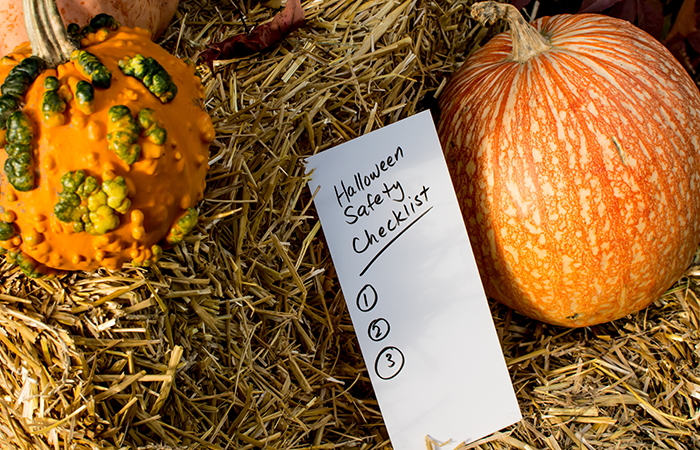
Halloween falls on Saturday, October 31 this year, which means a full evening of trick-or-treating, parties, and excited kids. A little planning goes a long way toward keeping the night fun. Below are practical safety tips for kids and families, plus a few online reminders for adults, because October is also Cybersecurity Awareness Month and scammers like a holiday as much as anyone.

How can kids stay safe while trick-or-treating?
Kids stay safest while trick-or-treating when they walk with a trusted adult or group, stick to sidewalks and crosswalks, carry a flashlight or wear reflective gear, and visit only well-lit homes. Check treats before anyone eats them, and agree on a meeting spot and a time to head home before you leave.
- Go together. Younger children should be with a trusted adult. Older kids can head out in a group with a planned route, a charged phone, and a time to be home.
- Be seen. It is dark by the time trick-or-treating starts. Flashlights, glow sticks, and reflective tape on coats and boots help drivers spot kids from farther away.
- Cross smart. Use sidewalks and crosswalks, never cut between parked cars, and make eye contact with drivers before stepping into the street. Phones stay in pockets while walking.
- Pick a costume that fits. Hems should clear the ground and shoes should be sturdy. Face paint is a better choice than a mask that blocks vision; test it on a small patch of skin first.
- Dress for the weather. An Alaska Halloween often means costumes over snow gear. Layer warm clothes underneath and check that boots have good traction on wet or icy steps.
- Stay outside, stay lit. Visit homes with porch lights on, and never go inside a house or get into a car with anyone.
- Check treats at home. Wait to eat anything until you are back. An adult should look through the bag, set aside anything unwrapped, opened, or unfamiliar, and check labels for allergens.
What can drivers and neighbors do to help?
Drivers: slow down on residential streets, especially in the early evening when most trick-or-treaters are out, put your phone away, and watch for kids stepping out from between parked cars. Safe Kids Worldwide reports that children are more likely to be hit by a car on Halloween than on any other day of the year.
Neighbors handing out treats can help, too. Turn on your porch light, clear walkways of ice, wet leaves, cords, and decorations, and keep pets secured. Want every kid to be able to join in? A teal pumpkin on your porch is the Teal Pumpkin Project signal that you have non-food treats, like stickers or pencils, for kids with food allergies.

How can adults stay safe from Halloween scams?
Adults can avoid Halloween scams by pausing before clicking links in unexpected texts or emails, shopping only on websites they know, and never sharing passwords, PINs, or full card numbers with anyone who contacts them first. Turn on two-step verification, and check your accounts for charges you don't recognize.
- Pause before you click. Scammers send fake delivery notices, "you've won" messages, and costume-sale links that look real. If a text or email is unexpected, go to the company's website or app directly instead of using the link.
- Shop where you know. Fake online stores pop up around holidays. Be cautious of deals that look too good to be true, and pay with a card you can dispute if something goes wrong.
- Skip "free" offers that ask for money. A free gift or sweepstakes prize that needs a "small shipping fee" or your card number is a scam.
- Guard your personal details. Never give out passwords, PINs, or full card numbers to someone who contacts you first, even if the call or message claims to be from your credit union. Hang up and call the number on the back of your card.
- Lock your accounts. Use a different password for each account, turn on two-step verification, and keep your phone and apps updated. Skip online banking on public Wi-Fi at parties and events.
- Check your accounts. Look over your recent transactions this week and next. If you see something you don't recognize, contact True North right away.
How can families protect kids' privacy when sharing Halloween photos?
Share costume photos with care: leave out names, school logos, addresses, and house numbers; turn off location tags; and post after you're home rather than in real time. Check that your account is set to share only with people you know, and ask older kids before posting their photos.
Have a safe and happy Halloween
Halloween works best when neighbors look out for each other, on the sidewalk and online. From all of us at True North, have a safe and happy Halloween. If a message ever doesn't feel right, check with us before you click or reply. Call (907) 523-4700 or stop by any True North branch.